ORIGINAL NOTE / Measurement
CBBE / THE BAKERY PROCESS LIBRARYMeasurement starts with a definition
A useful value has a quantity, a unit, a source and a context that another reader can identify.
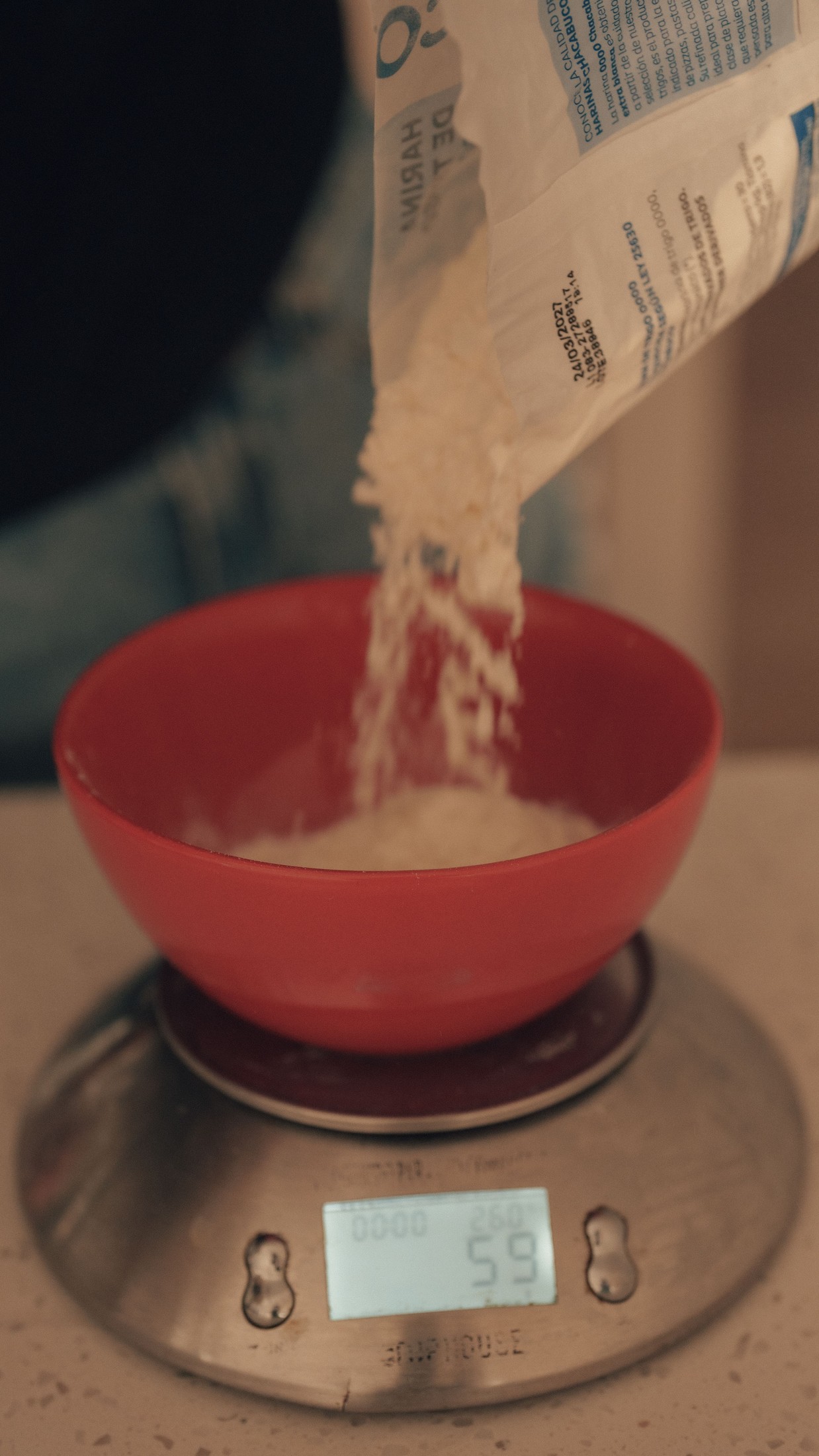
Read the reference.
Notice the relationship.
Keep the next question.
Name the quantity
Before recording a value, explain what the value describes. A number without a definition leaves a later reader to guess what was counted, measured or estimated. Keep the definition close to the entry rather than relying on the heading of an unrelated document. A small clear record is more useful than a precise-looking figure whose meaning changes between observations.
Keep the unit visible
Write the unit beside the value and retain the original reference context. Values expressed differently should not be compared as though their labels were interchangeable. This note does not provide conversion rules or production tolerances. Where the question requires a technical calculation or an approved limit, use the appropriate complete reference and ask the responsible educator to clarify the intended comparison.
Identify the source
Say whether the value came from an instrument reading, a published reference, a count or an estimate. These are different kinds of record. Keep the actual source or instrument description that the learning setting authorises. Do not retrospectively label an estimate as a precise measurement because a neat table or a desired comparison would make that wording more convenient.
Describe the observation context
Record the relevant circumstances that were actually known. Do not claim to have controlled a condition merely because it was intended to remain stable. A useful educational account distinguishes the plan from the observation. It can also say which information was not available, giving another reader a more accurate basis for deciding how the entry can be interpreted.
Compare definitions before values
Two entries can use the same unit while describing different things. Check the quantity definition, source and relevant context before interpreting a difference. An unexplained difference does not automatically identify an error or its cause. Keep the question open until the records and the responsible guidance support a narrower statement about what the comparison can establish.
Make the next question specific
Finish with the detail that needs clarification: the quantity definition, the source, the observation conditions or the appropriate reference. A precise question is easier to discuss than a general request to make the result more consistent. Leave actual technical tolerances and quality decisions with the approved method and responsible process, rather than inventing a rule from the entries in a private note.