A PRIVATE EDUCATIONAL PUBLICATIONPRODUCTION LEARNING / MEASUREMENT / CONSISTENCY

THE BAKERY PROCESS LIBRARY

The thinking
behind the batch.

Read a method. Understand a sequence.
Make the record worth returning to.

Explore the library
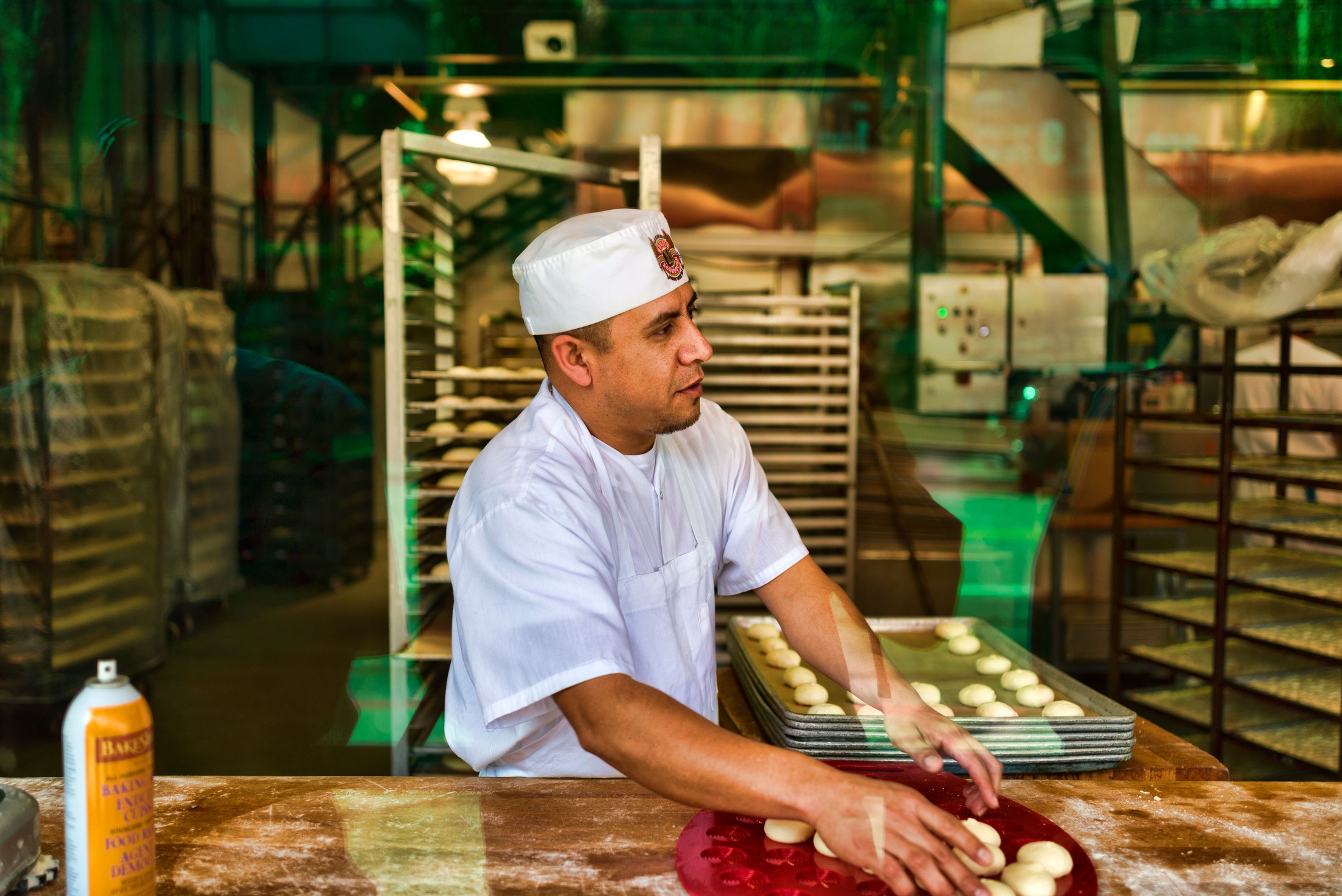
A baker in a white uniform beside trays and racks inside a bakery.
INDEPENDENT PHOTOGRAPHY / ILLUSTRATIVE BAKERY CONTEXT, NOT CBBE LEARNER WORK
01 / BEGIN WITH THE COMPLETE REFERENCE

A clearer process starts with a question you can actually explain.

A LIBRARY FOR UNDERSTANDING THE WORK

The method matters.
So does the way
you read it.

Between a complete reference and a useful record, there are relationships to understand: what comes before what, what a number describes and what a comparison can support.

We bring those questions into view. Original readings and private writing tools help you prepare a more precise learning discussion.

The purpose of this publication
01

The reference

What is the task actually asking?

02

The sequence

What depends on an earlier stage?

03

The record

What did you actually observe?

04

The question

What remains to be clarified?

A map can make a dependency visible.
It still needs the complete source and appropriate guidance.

Read the sequence note

THREE SUBJECTS / ONE CONNECTED QUESTION

Where would you
like more clarity?

View the subjects
SUBJECT / 01

Production planning

Understand the stages, the dependencies and the points that need clarification before the next activity.

START WITH THESE QUESTIONS
  1. What depends on an earlier stage?
  2. What information is missing?
  3. Who approves a changed sequence?
Open the subject
SUBJECT / 02

Measurement

Keep a quantity, its unit, its source and its observation context in the same record.

START WITH THESE QUESTIONS
  1. What quantity is being recorded?
  2. Are the units comparable?
  3. Which condition affects interpretation?
Open the subject
SUBJECT / 03

Process consistency

Read repeated records together without turning an apparent pattern into an unsupported explanation.

START WITH THESE QUESTIONS
  1. What was held consistent?
  2. What changed between records?
  3. What conclusion can the evidence actually support?
Open the subject
02

THE MEASUREMENT DESK

A number
needs a name.

The quantity. The unit. The source. The observation context. Keep the meaning close to the value.

Open the measurement desk
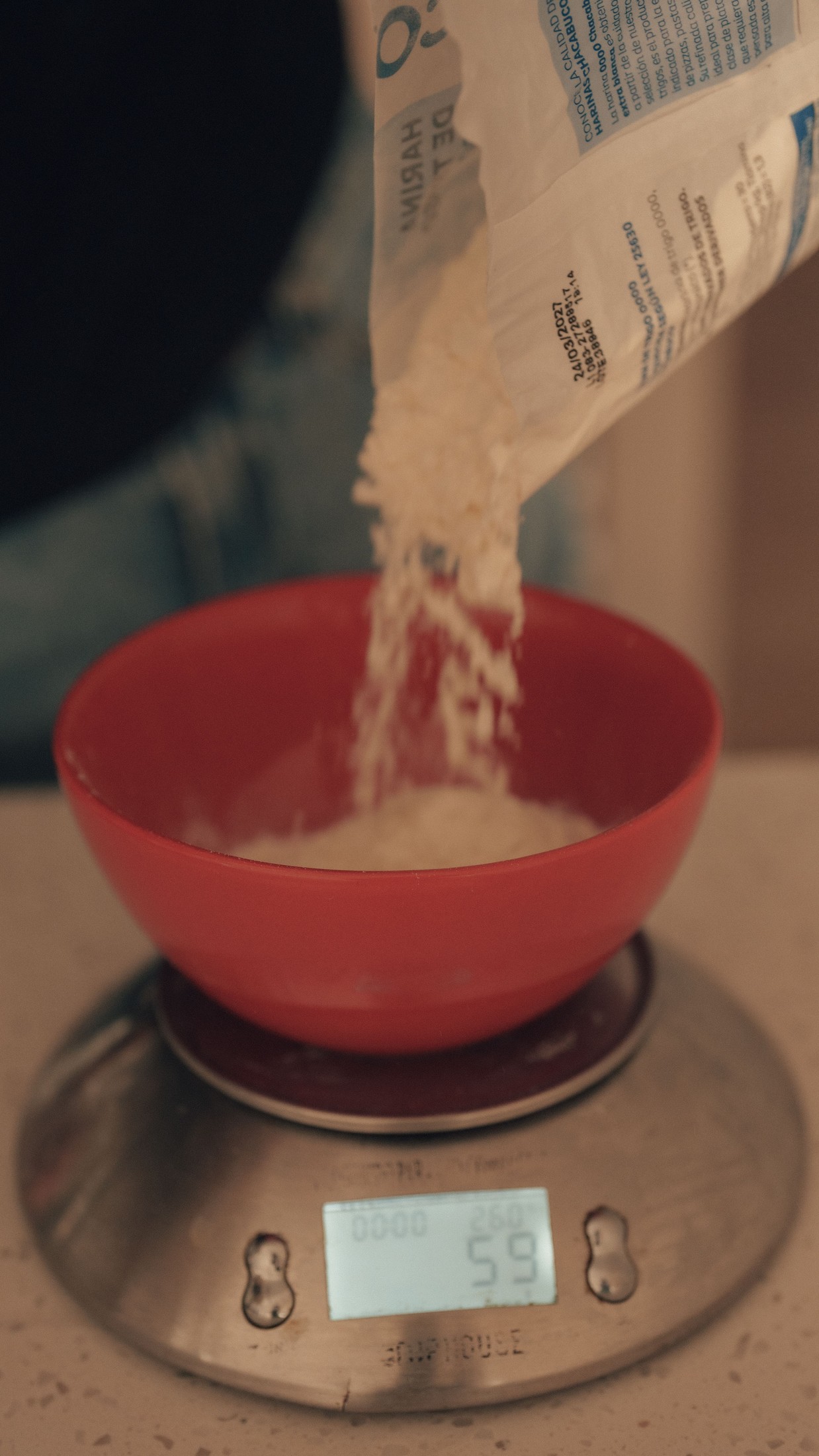
Flour pouring into a red bowl on a digital kitchen scale.
INDEPENDENT PHOTOGRAPHY / ILLUSTRATIVE BAKERY CONTEXT, NOT CBBE LEARNER WORK
QUANTITY ≠ INTERPRETATION

First ask what the record describes.
Then ask what the comparison supports.

THE ORIGINAL READING COLLECTION

Notes on the work.
Room for the question.

All seven readings
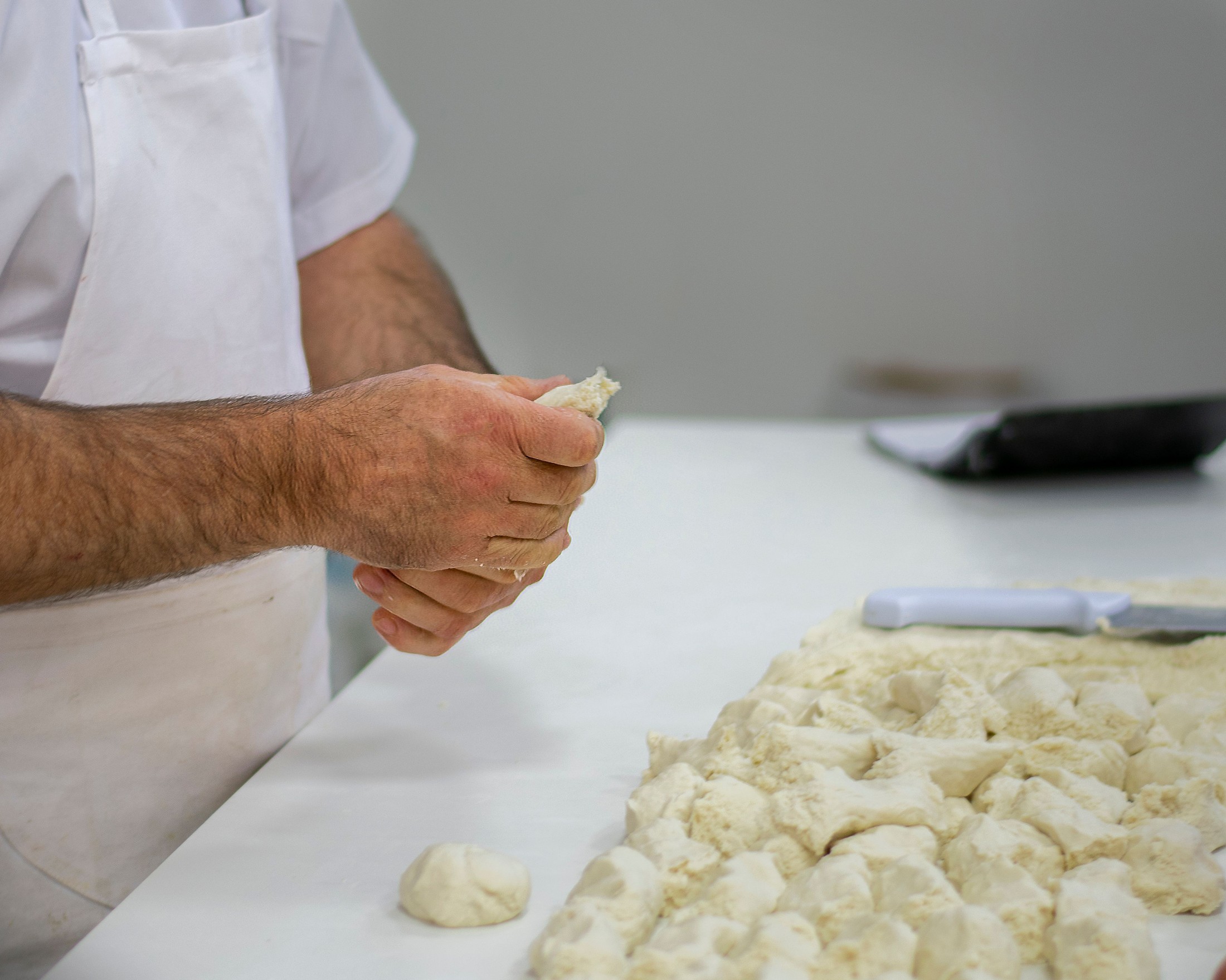
A baker holding a piece of dough above a work table covered with dough portions.
INDEPENDENT PHOTOGRAPHY / ILLUSTRATIVE BAKERY CONTEXT, NOT CBBE LEARNER WORK

03 / CONSISTENCY & THE RECORD

Similar results.
The same explanation?

A visible pattern can be a useful place to begin. Keep what you observed separate from why you think it happened.

Read the consistency note
Bread rolls piled on a metal serving tray over a checked tablecloth.
INDEPENDENT PHOTOGRAPHY / ILLUSTRATIVE BAKERY CONTEXT, NOT CBBE LEARNER WORK
OBSERVECOMPAREQUESTION

YOUR PRIVATE WORKING NOTES

Put the context
on the page.

Two local writing tools. No account. No upload.
A reviewed draft you can download or print.

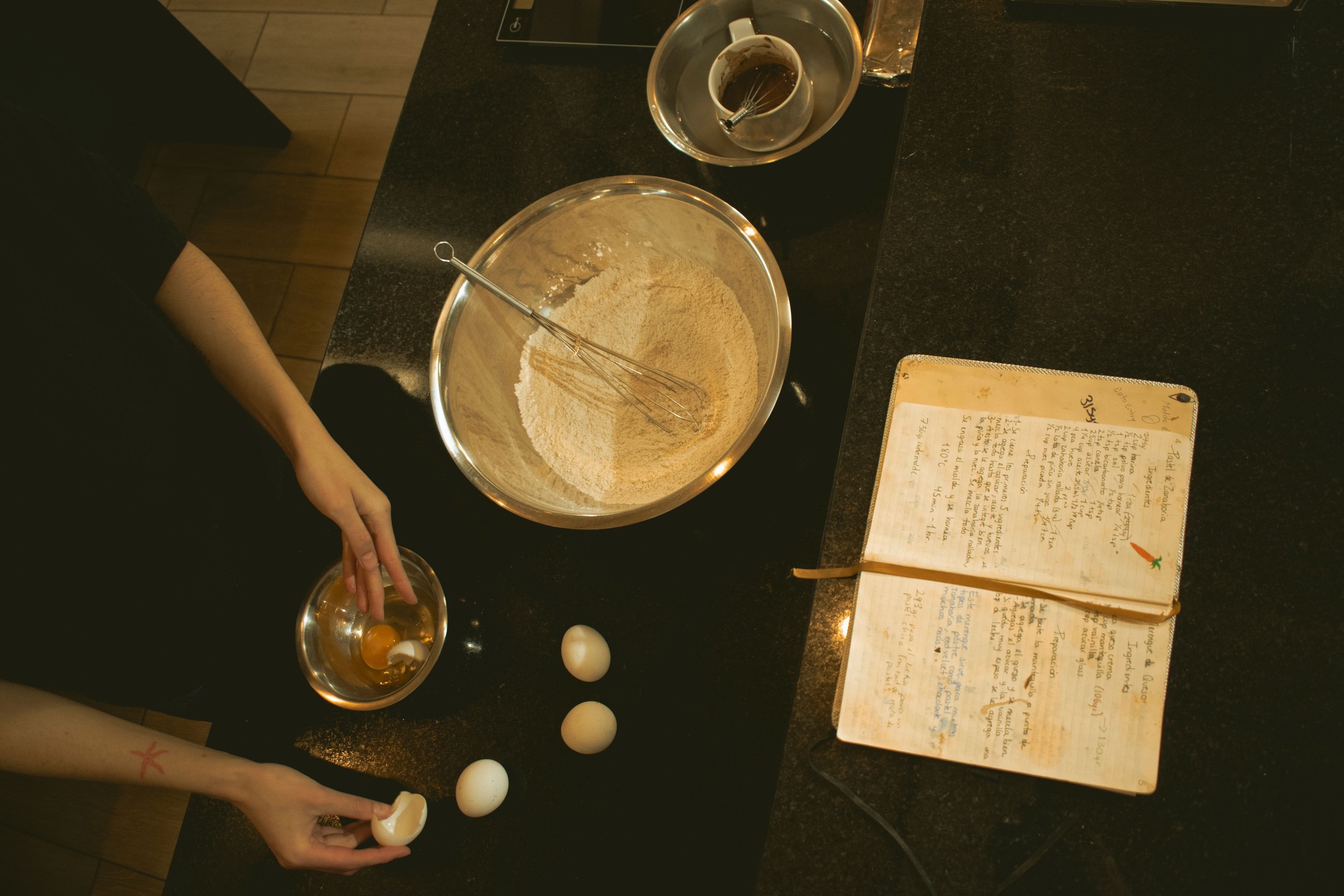
An overhead kitchen scene with eggs, mixing bowls and an open notebook with handwritten recipes.
INDEPENDENT PHOTOGRAPHY / ILLUSTRATIVE BAKERY CONTEXT, NOT CBBE LEARNER WORK

KEEP THE COMPLETE REFERENCE

The source belongs
beside the note.

A short explanation is easier to read when the original method, your actual role and the limits of the account remain visible.

Choose a connected reading route

ORIGINAL WORK / ATTRIBUTABLE CONTEXT

Help someone
understand the process.

Propose educational writing with a clear question, an intended reader and an actual source trail.

Bring a considered proposal