THE MEASUREMENT DESK
CBBE / THE BAKERY PROCESS LIBRARYBefore the value,
name the meaning.
Read a measurement record through four pieces of context. This is a discussion aid, not a calculator, production tolerance or instrument specification.
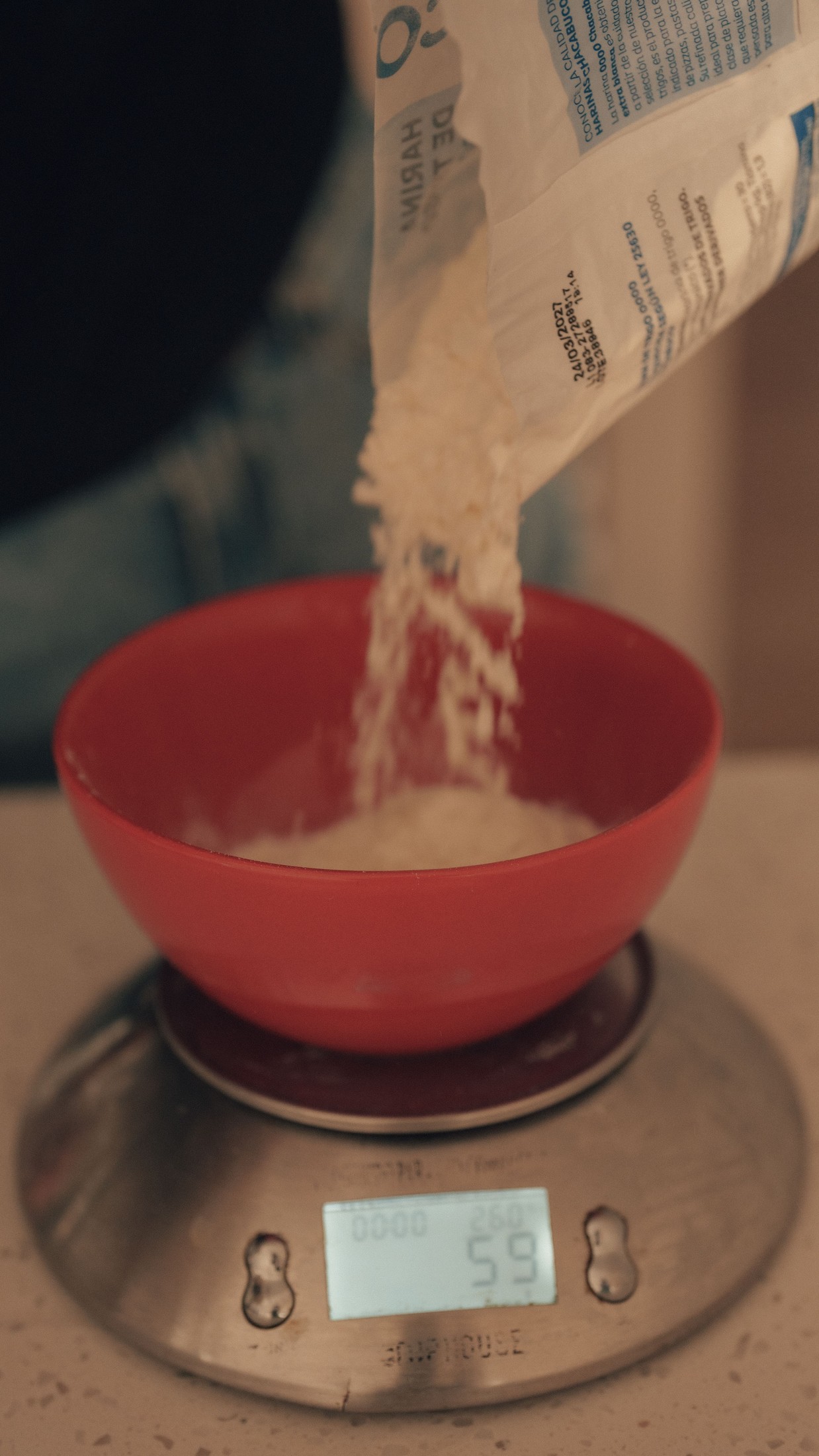
A RECORD NEEDS ITS CONTEXT
Quantity
What exactly does the value describe?
Unit
How is that quantity expressed?
Source
A reading, a count, a reference or an estimate?
Context
What was actually known when the observation was made?
BEFORE COMPARING TWO ENTRIES
Same label.
Same definition?
Check what each record means before interpreting a difference. A neat table cannot supply missing context or prove that a condition was held constant.
Keep the estimate visible
A value should retain its actual source. Do not relabel an unrecorded estimate as a precise measurement.
Separate intended from observed
The plan and the actual account do different jobs. Name a gap rather than filling it with an assumption.
Return to the approved reference
Technical limits and quality decisions belong with the complete current method and responsible process.

KEEP THE QUESTION ON THE PAGE
A clearer comparison
begins here.
Use a private note to keep the quantity definition, records, conditions and limits together. Leave confidential production information out.
Open your comparison noteRead the measurement note