ORIGINAL NOTE / Measurement
CBBE / THE BAKERY PROCESS LIBRARYThe estimate belongs in the label
An honest account of uncertainty helps a value remain useful without making it appear more precise.
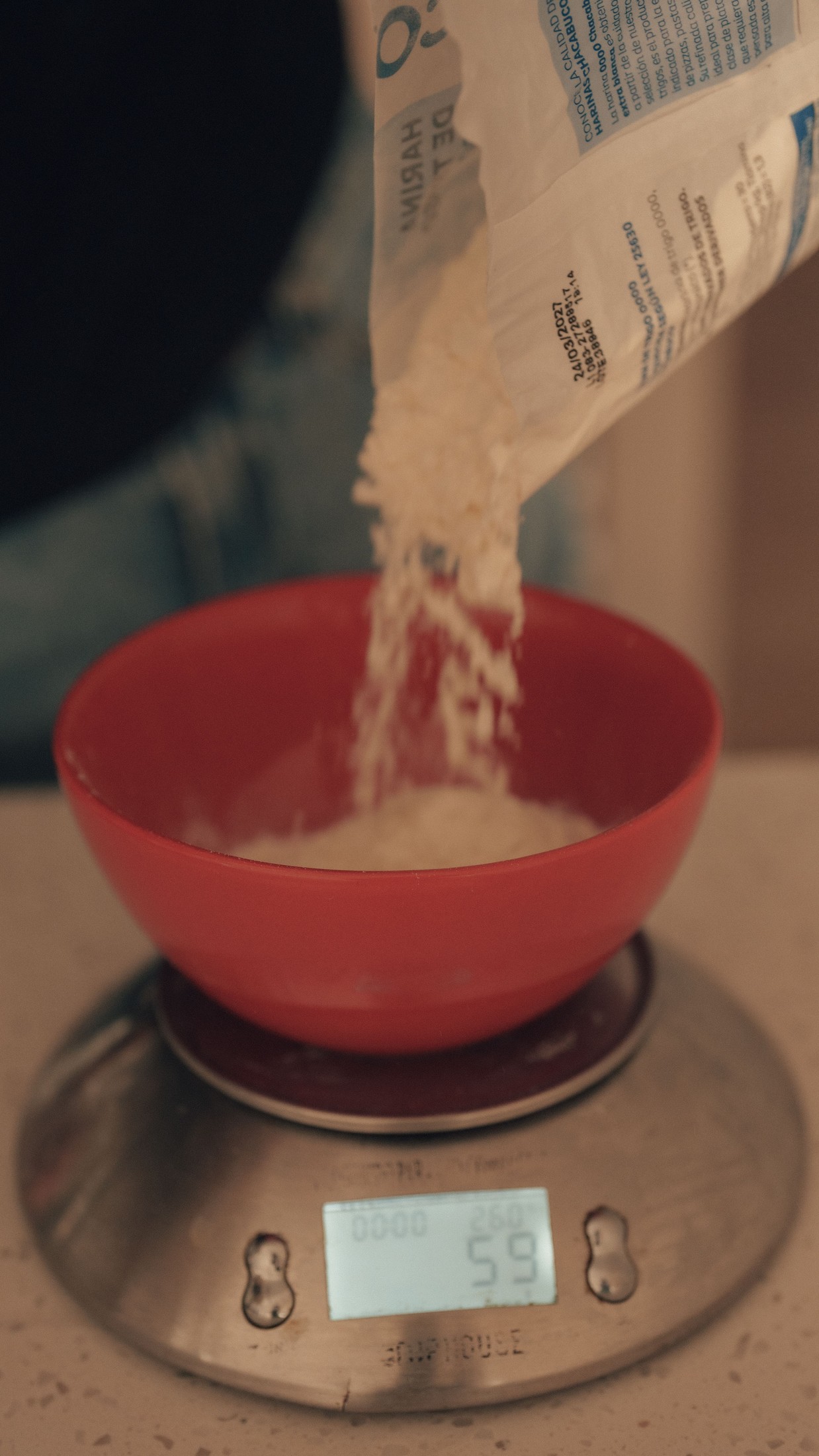
Read the reference.
Notice the relationship.
Keep the next question.
Identify the kind of value
A measured reading, a count and an estimate are different kinds of information. Say which kind you have before arranging values in a comparison. A polished spreadsheet or a carefully written notebook cannot change how the value was obtained. The label should help another reader understand the record’s actual basis instead of inferring a degree of precision that was never established.
Keep the original account
Do not improve an old note by adding detail you cannot reliably reconstruct. If the original source or condition was not recorded, make the gap visible. A later explanation can be kept as a later explanation. Blending it into the original observation can make a learning record appear more complete while obscuring which information was actually available at the time.
Distinguish a question from an error
An uncertain value may require clarification, but uncertainty alone does not establish that the value is wrong. Name the specific point that needs checking. It might concern the quantity definition, source or context. Keep an interpretation open until the actual reference and responsible guidance support it, rather than choosing an explanation because it makes the record easier to summarise.
Avoid decorative precision
Additional digits do not supply missing evidence about how a value was obtained. Use the form of recording required by the actual learning task and its complete reference. This note does not define rounding rules, instrument suitability or production tolerances. Where those questions matter, use the appropriate technical source and responsible process instead of inventing a general rule for the notebook.
Read comparisons carefully
An estimate can still contribute to a discussion when it is clearly identified and its limits remain visible. Check whether the intended comparison asks more of the record than it can support. Keep the source and context beside the value. A clear statement that the entries are not yet comparable may be more useful than a numerical difference presented without explanation.
Leave a usable return question
Finish with the information needed to interpret the entry more confidently. A focused question can guide the next conversation without pretending to settle a technical decision. Preserve the distinction between your educational reflection and any approved quality or assessment record. The aim is an account another reader can understand, including the uncertainty that remains part of it.