ORIGINAL NOTE / Process consistency
CBBE / THE BAKERY PROCESS LIBRARYThe next comparison starts with a better question
Turn a review into a focused request for clarification rather than an unsupported change to the method.
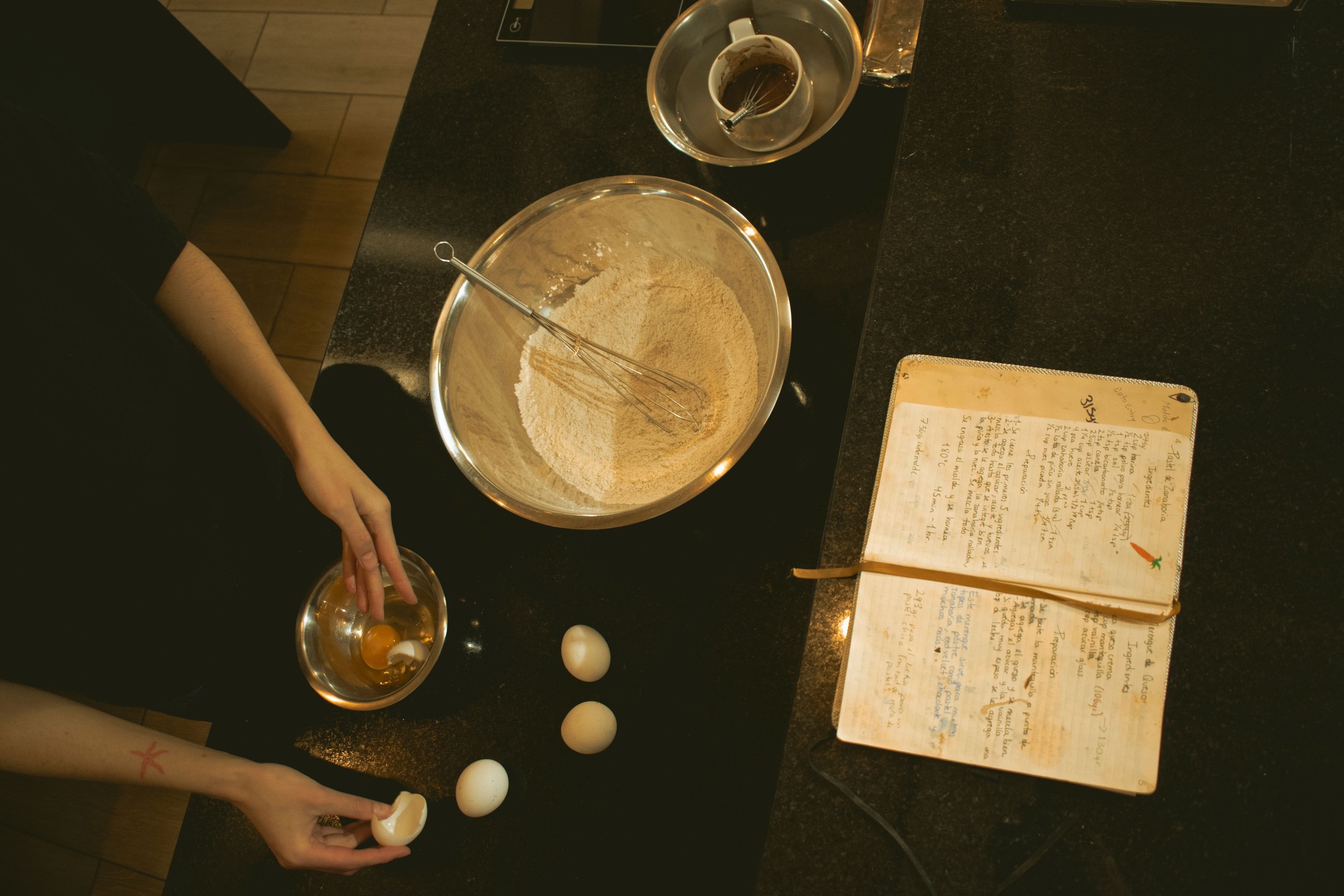
Read the reference.
Notice the relationship.
Keep the next question.
Return to the purpose
Read the comparison with its original learning question in view. Has the record helped address that question, or has it exposed a different one? A review does not need to end with a claim of improvement. It may show that a definition, source or condition needs clarification before the entries can be compared meaningfully in the first place.
Choose the important gap
Several details may be missing, but not every gap has the same relevance to the question. Identify the one that most affects interpretation. This gives the next discussion a concrete starting point. Avoid gathering extra values or photographs simply to make the account longer, especially when they do not resolve the uncertainty that made the first comparison difficult to understand.
Keep feedback in its setting
A comment from an educator belongs to the task and question it addressed. Record your own understanding separately from an exact quotation, and ask before publishing someone else’s words. Do not convert a useful comment about one exercise into a universal production rule or an approved judgement about a person’s competence beyond the actual context of the discussion.
Ask before altering the activity
A proposed observation and a proposed method change have different implications. State which question you are raising and leave approval with the responsible person or process. A private comparison note can prepare the conversation, but it cannot authorise a revised sequence, a new tolerance or independent practical activity that falls outside the agreed learning arrangements.
Keep a revisable explanation
Your interpretation may change after the source is checked or the missing context is supplied. That is a reason to keep the observation and explanation distinct. A later revision should remain understandable in the authorised record. Do not silently turn a tentative earlier interpretation into an apparently confirmed fact simply because the revised account reads more smoothly.
Finish with an answerable question
Write the point you want the next discussion to clarify, naming the source, quantity or stage involved. A focused question helps another person respond usefully. The record can then support a more precise learning conversation while actual operating specifications, formal quality decisions and institutional assessment remain with the complete current reference and the people responsible for them.